
Are You Looking for A Career Change? Explore Creative Professions You Can Learn from Home
Over the years, the working world has changed significantly. Creative professions are now more widely available than when they required formal schooling or living in major cities. Today, you can develop professional-level creative skills from your own home, studying at your own pace whilst building the foundation for a fulfilling career that values imagination, craft, and human insight.
Why Learn Creative Professions From Home?
Learning from home offers distinct advantages for those pursuing creative careers. Distance learning programmes have evolved far beyond the correspondence courses of previous generations, combining structured curricula with flexible pacing that accommodates your existing life and responsibilities.
Creative professions often reward depth of insight and developed skill rather than simply racing through qualifications. Home-based learning allows you to truly absorb techniques, practise thoroughly, and develop your unique creative voice without the pressure of keeping pace with a classroom schedule that might not suit your learning style.
There’s also something particularly fitting about studying creative professions from home. Many of these careers operate from home offices or studios. As you learn, you’re simultaneously establishing the working environment and self-discipline habits that will serve your future practice. You’re not just preparing for a career; you’re already living aspects of it.
Having the flexibility to learn from home means you can start building your creative career today, regardless of where you live or what other commitments currently shape your schedule.

Civil Celebrant: Creating Meaningful Moments
Becoming a civil celebrant can be one of the most emotionally rewarding creative professions available. You’re not merely officiating ceremonies, but creating bespoke experiences that mark life’s most significant transitions:
- weddings,
- naming ceremonies,
- vow renewals, and
- funeral celebrations.
Starting a profession as a civil celebrant demands creativity in the truest sense. Each ceremony requires you to listen deeply to people’s stories, understand their values and relationships, then write and deliver something original that captures their unique journey. No two ceremonies are alike because no two people or families are alike.
A celebrant role suits those with empathy, strong writing abilities, and comfort with public speaking. Additionally, you need the ability to hold space for others during vulnerable, emotional moments, and the creativity to transform their stories into ceremonies that feel both personal and profound.
What makes this creative profession particularly special is its immediate impact. You witness the results of your creative work in real time—the tears during vows you’ve helped craft, the laughter at anecdotes you’ve woven into the ceremony, the gratitude from families who felt truly seen and honoured.
Regent Academy’s Civil Celebrant Course teaches the craft of ceremony writing, the legal requirements, and the business skills needed to establish your practice. You’ll learn from home, working at your own pace whilst developing the portfolio and confidence to begin accepting ceremonies.

Professional Writing: Words as Your Creative Medium
Writing encompasses remarkably diverse career options, from copywriting for businesses to content creation, journalism, technical writing, or creative pursuits like fiction and non-fiction books. This variety means you can align your writing career with your existing interests and passions.
The creative element in professional writing lies not just in constructing elegant sentences, but in solving communication problems.
- How do you explain a complex concept?
- How do you persuade without manipulation?
- How do you maintain reader interest across 2,000 words?
- How do you capture a brand’s voice or tell a compelling story?
These challenges require both craft and creativity.
Modern writing careers increasingly operate remotely. Clients rarely care where you’re physically located; they care about your ability to deliver quality work on deadline. This makes writing one of the most location-independent creative professions, offering genuine flexibility once established.
Learning from home suits writing particularly well because writing itself is a solitary discipline practised from home or wherever you find focus. As you study, you’re developing your actual working practice—establishing routines, managing distractions, and building productivity habits.
One of the benefits of writing as a creative profession is its accessibility. You don’t need expensive equipment or studio space—just your mind, your words, and the discipline to use them well. The barriers to entry are low, but the ceiling for excellence is high, offering lifelong creative challenge and growth.
Our Complete Writing Course provides training across a variety of writing disciplines, helping you identify your niche whilst developing fundamental skills applicable to any writing career. Whilst working through the course, you will start building your own portfolio. This means that whilst you are learning, you will also be creating work samples for potential clients.

Interior Design: Creating Functional Beauty
A profession in interior design combines aesthetic creativity with practical problem-solving. You’re not simply making spaces look attractive; you’re solving how people live, work, and move through environments. This requires understanding spatial relationships, human psychology, functionality, and design principles.
The creative satisfaction in interior design comes from transformation—seeing potential in neglected spaces, understanding what a room could become, then guiding it through that metamorphosis. Every project is different because every client and every space presents unique challenges and opportunities.
Interior design has changed considerably. Whilst high-end residential design remains competitive, numerous niches exist: home staging, small space design, sustainable design, accessibility-focused design, commercial spaces, or remote design consultations. You can specialise in areas that genuinely interest you, creating a practice that reflects your particular design sensibilities.
Learning from home works well for interior design because much of the profession now operates remotely, at least in the initial stages. You can consult with clients, create mood boards, draft floor plans, and present concepts digitally. Site visits and installations require physical presence, but much of the work is done in your home studio.
As you learn from home, you can immediately apply new knowledge to your own space, creating a living portfolio that demonstrates your developing skills. Your house becomes both a classroom and a showcase, evolving as your abilities grow.
We have two interior design courses – the Successful Interior Design Course as an introduction, and the Professional Interior Design Course, for when you are ready to turn your passion into a profession. These courses cover design principles, colour theory, space planning, and the business aspects of running a design practice. You’ll learn from home whilst building your portfolio, potentially starting with friends’ projects or room redesigns that demonstrate your capabilities.

Fashion Design and Dressmaking: Wearable Art
A career in fashion design and dressmaking appeals to those who think three-dimensionally and enjoy working with their hands alongside their creative mind. This isn’t just about sketching beautiful garments; it’s about understanding fabric behaviour, construction techniques, fit, and how clothing moves with the human body.
Creative possibilities span multiple directions: creating custom garments for private clients, specialising in bridal or occasion wear, offering alteration services, designing small collections, or focusing on sustainable fashion and upcycling. Your interests and strengths guide your direction within this versatile creative profession.
Fashion design and dressmaking are ideally suited to home-based work. Many successful dressmakers operate from home studios and see clients by appointment. Overheads remain low, and you can start part-time whilst building clientele, gradually transitioning as your skills and business grow.
The tactile, making aspect of dressmaking provides immediate creative satisfaction. With dressmaking, you hold tangible results—a finished garment you’ve created from fabric and pattern. This physical manifestation of creativity proves deeply rewarding for those who value making things with their hands.
There’s also immense satisfaction in creating clothing that genuinely fits and flatters real human bodies, not just fashion illustrations. When a client sees themselves in a garment you’ve created and their face lights up with confidence—that’s creative work with genuine human impact.
Regent Academy offers two design and dressmaking courses—the first, the Fashion Design and Dressmaking Course, helps you build a solid foundation. In contrast, the second design course will help refine your techniques. These courses teach both design concepts and practical construction skills. You’ll learn from home, developing your technical abilities whilst building a portfolio that demonstrates your capabilities to future clients.

Antiques Specialist: Where History Meets Creativity
Working with antiques combines historical knowledge, aesthetic appreciation, and the creative ability to recognise value and potential.
The creative element lies in spotting potential, understanding context, and communicating stories. An antique isn’t valuable merely because it’s old; it’s valuable because of its story, craftsmanship, rarity, or historical significance. Your role is to recognise these qualities and articulate them to others in compelling ways.
This creative profession rewards curiosity and the ability to see connections others miss.
- Why is this particular chair significant?
- What does this ceramic technique reveal about trade routes?
- How does this object illuminate social history?
These questions require creative thinking alongside research skills.
Career opportunities include appraising for insurance or estates, writing (books, articles, catalogue descriptions), consulting for interior designers or film productions, or teaching others about antiques. Many specialists combine multiple income streams, creating portfolio careers that provide both variety and intellectual stimulation.
The antiques world has expanded online dramatically, making it more accessible to home-based specialists. You can deal through various platforms, offer online appraisal services, write content about antiques, or consult remotely for clients worldwide—all whilst learning from home and building your expertise.
An Antiques Course will provide foundational knowledge across periods, styles, and object types, alongside practical skills in authentication, valuation, and the business of antiques. You’ll learn from home, developing expertise that you can immediately apply, whether you’re starting to deal, deepening your collecting knowledge, or planning an antiques-focused career.

Wedding and Event Planning: Orchestrating Experiences
Event planning, particularly weddings, requires creativity applied to logistics. You’re designing experiences—considering not just how things look but how they feel, flow, and function. Every event is a creative project with a definite deadline and real-world constraints of budget, venue, and vendor availability.
The creative challenge lies in transforming visions into reality whilst solving the inevitable problems that arise. A venue floods the week before an event—how do you pivot creatively? A colour scheme isn’t working—how do you adjust while maintaining the overall design vision? These situations demand creative problem-solving alongside planning skills.
Creative satisfaction comes from orchestrating dozens of moving pieces into a seamless experience that delights people. When everything comes together at the actual event and you watch guests enjoying themselves, there’s genuine pride in knowing you created that atmosphere, that joy, that perfect flow from one moment to the next.
Event planning naturally suits home-based work. Client meetings can happen in person, at venues, or virtually. Much of your work—researching vendors, managing timelines, creating designs and layouts, handling correspondence—happens from your home office. As your business grows, you might add team members or rent office space, but many successful planners operate from home indefinitely.
Each event offers fresh creative opportunities. Different couples, different themes, different seasons, different venues—the work never becomes repetitive because each project presents unique creative challenges and possibilities.
Our Wedding & Event Planner Course covers everything from initial client consultations through event design, vendor management, timeline creation, budget control, and day-of coordination. You’ll learn from home, potentially beginning with smaller events whilst building your skills, systems, and confidence.
The Reality of Building Creative Careers
Honesty matters when considering creative professions. Most don’t offer immediate high incomes or instant success. Building a creative career typically requires an initial period of learning, portfolio building, and gradual client acquisition, whilst income remains modest or part-time.
However, this trajectory isn’t unique to creative work—it’s simply how building any worthwhile career or business works. The difference is that creative professions offer intrinsic rewards alongside financial ones. The work itself often provides satisfaction beyond the income generated:
- The joy of making something beautiful,
- The pride in solving creative challenges,
- The gratitude from clients whose lives you’ve genuinely enhanced.
Many creative professionals develop portfolio careers, combining multiple income streams. A celebrant might also write about weddings. An interior designer might teach online courses. A writer might offer both creative services and copywriting. This diversification provides both financial security and creative variety.
As you establish yourself, creative professions can absolutely support comfortable lifestyles. Experienced celebrants charge £400-800+ per ceremony. Established interior designers command substantial project fees. Skilled writers earn professional incomes. The key is treating your creative work as a genuine business, not a hobby, and gradually building a reputation and clientele whilst you learn from home.
Why Learning From Home Works for Creative Professions
Traditional education often treats creativity as something that requires physical classrooms, equipment, and in-person instruction. Whilst some creative disciplines do benefit from hands-on teaching, many creative professions are perfectly suited to distance learning.
When you learn from home, you develop self-direction and intrinsic motivation—qualities essential for creative professionals who often work independently. You learn to manage your own time, set your own standards, and push yourself without external pressure. These aren’t just useful skills; they’re the foundation of successful creative practice.
Home-based learning also allows you to integrate your education with real life. You can apply lessons immediately, experiment at your own pace, and develop your unique approach without the homogenising effect that sometimes occurs in classroom environments where everyone follows identical paths on identical timelines.
The privacy of learning from home offers creative freedom to experiment, fail, and try again without an audience.
Taking Your First Step Into Creative Professions
Creative professions you can learn from home offer opportunities for engaging both your imagination and your skills. They allow you to develop capabilities at your own pace, work from home as you establish yourself, and build careers that reward your creativity.
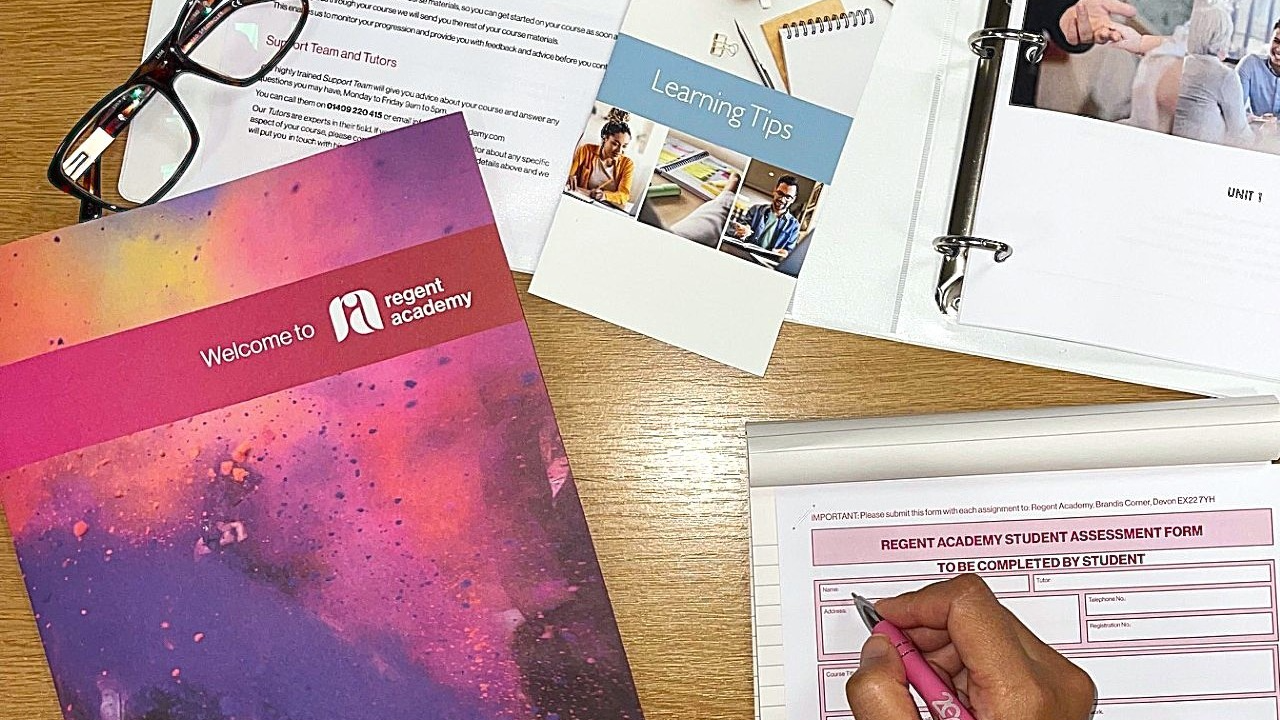
The barrier isn’t your location, your schedule, or your circumstances—it’s simply deciding to begin. Visit Regent Academy to explore courses in celebrancy, writing, interior design, fashion, antiques, and event planning. These programmes are designed specifically for distance learners, letting you study at your own pace whilst maintaining your current responsibilities.
Learning from home means you can start today. Not when circumstances are perfect, not when you feel completely ready, not after waiting for some ideal moment—but now, taking the first step towards the creative profession that genuinely calls to you.