
If you want to make money from your hobby, you do not need to turn your whole life upside down. You can start small, test your idea and build confidence while keeping the joy that made you love the hobby in the first place.
Many creative skills have real value. Writing, dressmaking, interiors, antiques, event planning, and design can all lead to useful side income when matched with the right audience and a clear offer.
Here are five practical ways to begin.
1. Make money from your hobby with one clear offer
A common mistake is trying to sell everything at once. A simple offer is easier to explain, easier to price and easier for people to buy.
Instead of saying, “I do sewing”, you could offer trouser alterations, handmade cushion covers or beginner dressmaking lessons. Instead of saying, “I have an eye for interiors”, you could offer a one-room colour consultation or styling advice.
How to make money from your hobby with a simple starter offer
- A fixed-price writing package for small businesses.
- A one-hour room styling session.
- A small collection of handmade products.
- A wedding planning checklist or supplier research service.
- A beginner workshop based on your creative skill.
Start with the version that feels realistic alongside your current life. Side income works best when it fits your time, energy and confidence.
2. Choose a hobby people already pay for
The easiest place to start is with a hobby that solves a problem, saves time or creates something people want but cannot make themselves.
Think about what your hobby helps someone do. Does it help them decorate a room, plan a wedding, mend a dress, find a special antique or tell a better story? That is where the value is.
Creative hobbies that can earn money
- Writing, such as blog posts, short stories, editing or website copy.
- Dressmaking and sewing, such as alterations, made-to-measure items or handmade gifts.
- Interior design, such as room styling, colour advice or home organisation.
- Antiques, such as sourcing, researching or reselling interesting pieces.
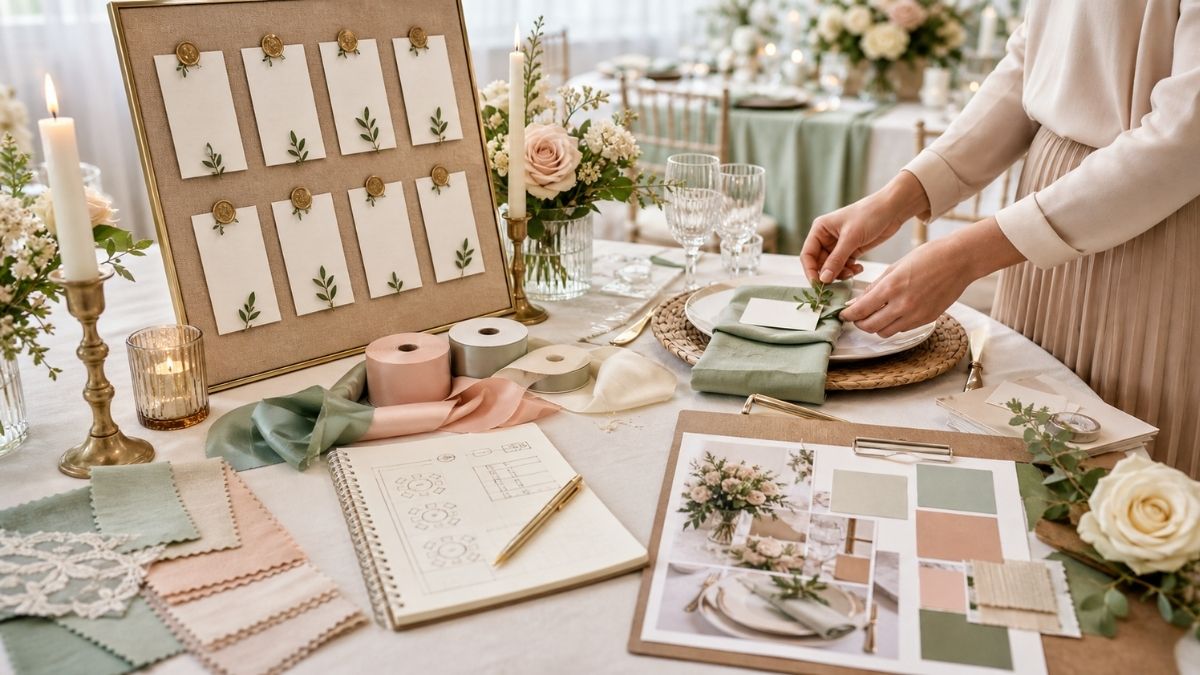
- Wedding and event planning, such as supplier research, styling support or planning checklists.
If you would like to strengthen your skills first, Regent Academy offers flexible home study courses in creative subjects, including creative writing, fashion design and dressmaking, interior design, understanding antiques and wedding and event planning.
3. Explore whether your hobby could become a paid offer
You do not need a perfect website, a full product range or expensive branding to test an idea. In the early stages, your aim is to find out whether real people will pay for what you offer.
Test whether you can make money from your hobby
- Offer a limited number of products or services to people you know.
- Share examples of your work on social media and look for serious enquiries.
- Take a small table at a local fair or community event.
- List a few items on an online marketplace.
- Ask previous users or friends for honest feedback on your offer.
Listen carefully to the questions people ask. “How much is it?” and “Can you make one for me?” are more useful than polite praise.
Testing helps you avoid wasting money on materials, packaging or advertising before you know what customers actually want.
4. Price your work to make money from your hobby
If you want to make money from your hobby in a way that lasts, your prices need to respect your time. Many creative people charge too little because the work feels enjoyable or because they are nervous about asking for money.
What to include in your price
- materials and tools
- packaging and postage
- marketplace or payment fees
- planning and admin time
- the time spent making or delivering the work
- a profit margin
For services, remember to include preparation, messages, travel, notes and follow-up. For products, include sourcing, photography, listing, packing and customer service.
Ask yourself this: if ten people bought this next month, would I feel pleased or under pressure? If the answer is under pressure, your price may be too low, or your offer may need to be simpler.
5. Treat your hobby income like a small business
Even a small side income needs simple systems. Good habits make it easier to grow and easier to stay calm when orders or enquiries increase.
Keep clear records
Track your income and costs from the beginning. Keep receipts for materials, tools, postage, packaging, advertising and platform fees. A simple spreadsheet is enough when you are starting out.
Understand the UK tax basics
In the UK, the trading allowance can let you earn up to £1,000 in gross trading income in a tax year before you need to tell HMRC. If your trading income is more than £1,000, you may need to register for Self Assessment. Check the official GOV.UK guidance on trading income allowance and GOV.UK guidance on registering for Self Assessment.
Be clear when selling online
If you sell products or services online, make sure customers understand what they are buying, how much it costs, when it will arrive and what your returns policy is. The GOV.UK guide to online and distance selling explains the rules businesses need to understand.
Clear records and clear communication protect both you and your customers.

Build your confidence before you begin
You do not need to know everything before you start. But learning more about your subject can make it much easier to talk about your work, price it well and feel confident with customers.
Regent Academy has supported over 90,000 students following their creative passions from home. You can explore the full range of flexible creative home study courses, including Professional Interior Design, if you want to develop your skills further.
Start with one clear offer. Test it with real people. Price it properly. Keep good records. Then improve as you go.
Important note: This article is intended as general guidance for people exploring ways to make money from a hobby. Any income will depend on your skills, experience, location, market demand, pricing, promotion and individual circumstances. If you choose to study with Regent Academy, please note that course completion does not guarantee employment, paid work or a specific level of business income.
FAQs
How can I make money from your hobby?
To make money from your hobby, choose one clear product or service, test whether people will pay for it, price it properly and keep records from the start. Begin small so you can learn without taking on too much risk.
What hobbies can make money?
Creative hobbies such as writing, sewing, dressmaking, interior design, antiques, crafts, photography, event planning and digital design can all make money when there is a clear customer need.
Do I need to register as self-employed for hobby income?
It depends on how much you earn. In the UK, if your gross trading income exceeds £ 1,000 in a tax year, you may need to register for Self Assessment. Always check current GOV.UK guidance.
How do I price a hobby product or service?
Include materials, time, fees, packaging, postage, preparation and profit. Do not charge only for materials, as this ignores the value of your skill.
Can I make money from my hobby while working full-time?
Yes. Many people start with a small side income alongside work. Choose an offer that fits your available time and set clear limits on how many orders or clients you can handle.